Overview
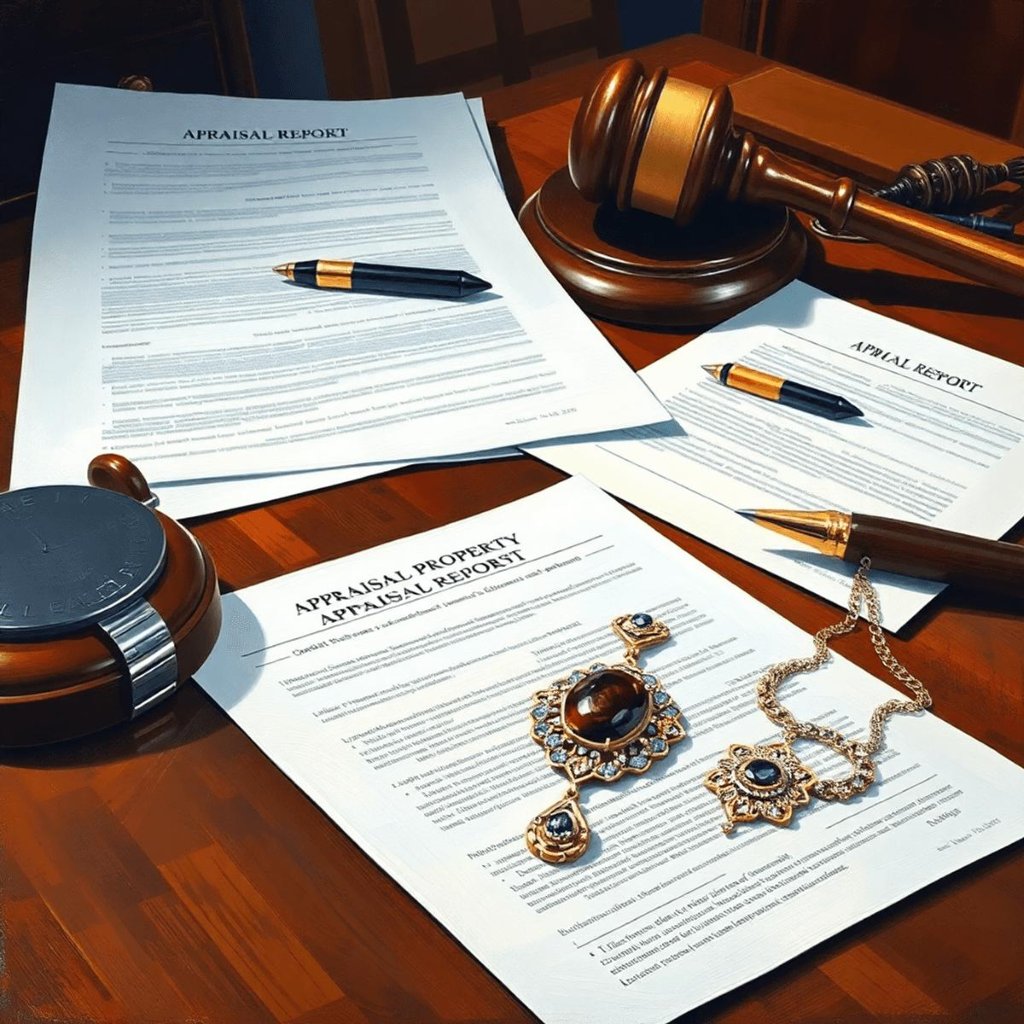
In an age of rapid transactions and global trade, authenticity has become the cornerstone of trust — and trust remains the foundation of every successful business. This principle holds especially true in the world of fine jewelry and luxury assets, where provenance and expertise define both value and reputation.
Provenance is one of the most overlooked aspects of jewelry appraisal. Many auction houses and even some appraisers focus only on visible attributes, overlooking the craftsmanship, materials, and history that truly determine a piece's authenticity and worth.
The Importance of Expertise
A professional jewelry appraisal requires more than gemological credentials. It demands decades of experience and a deep understanding of historical eras, metalwork, and design evolution. The trained appraiser must possess knowledge that goes far beyond technical grading — they must understand the context of each piece within its historical moment.
This expertise cannot be rushed or abbreviated. It comes from examining thousands of pieces firsthand, developing an intuitive sense for the subtle clues that reveal authenticity.
Reading the Language of Jewelry
Each piece tells a story, and an experienced appraiser knows how to read the language of jewelry. The cut of the stones, the tools used, the wear on the metal, even the way it feels in the hand — these are the subtle clues that separate authenticity from imitation.
An appraiser must ask: Does the design truly reflect the period it claims to represent? Do the materials, gemstone cuts, and craftsmanship align with the timeline? Are there signs of replacement or restoration that compromise integrity? Only a well-trained expert can answer these questions with certainty.
Historical Markers and Modifications
During the Retro period, pink gold became popular because platinum was reserved for wartime use. In contrast, the Edwardian era favored silver fused with gold, giving jewelry a light, lacy aesthetic. The full-cut round brilliant diamond, first introduced in 1919, serves as another time marker — any Art Nouveau piece containing one immediately signals modification and loss of originality.
These historical details are not academic abstractions. They directly affect value. A piece modified from its original state, no matter how skillfully restored, loses both authenticity and worth.
Authenticity as Philosophy
Authenticity extends beyond jewelry. In business, as in art, integrity is non-negotiable. Clients and investors must feel confident that what they are buying or being told is genuine. Building that trust takes years of experience, transparency, and consistency.
A company or individual that values authenticity in every transaction builds a reputation that cannot be replicated — a reputation that lasts. Authenticity is not just a standard; it is a philosophy that defines how we conduct business and how we build relationships that endure.
Building Trust Through Experience
In an increasingly digitized world, where photographs and certificates are often mistaken for proof, it is critical to work directly with a seasoned professional. Online assessments can never replace the trained eye and tactile understanding that come from decades of real-world experience.
Always make sure you're working with an experienced appraiser — someone who has examined thousands of pieces firsthand. Their trained eye and historical understanding can protect you from costly mistakes and help you appreciate the true beauty and worth of your investment. In the end, authenticity and trust are not just about verifying what is real — they are about being real in every aspect of business and life.
Next Steps
Ready to Discuss Your Situation?
Our team of GIA-trained specialists is available for private consultations on appraisal, authentication, estate review, and advisory matters.