Overview
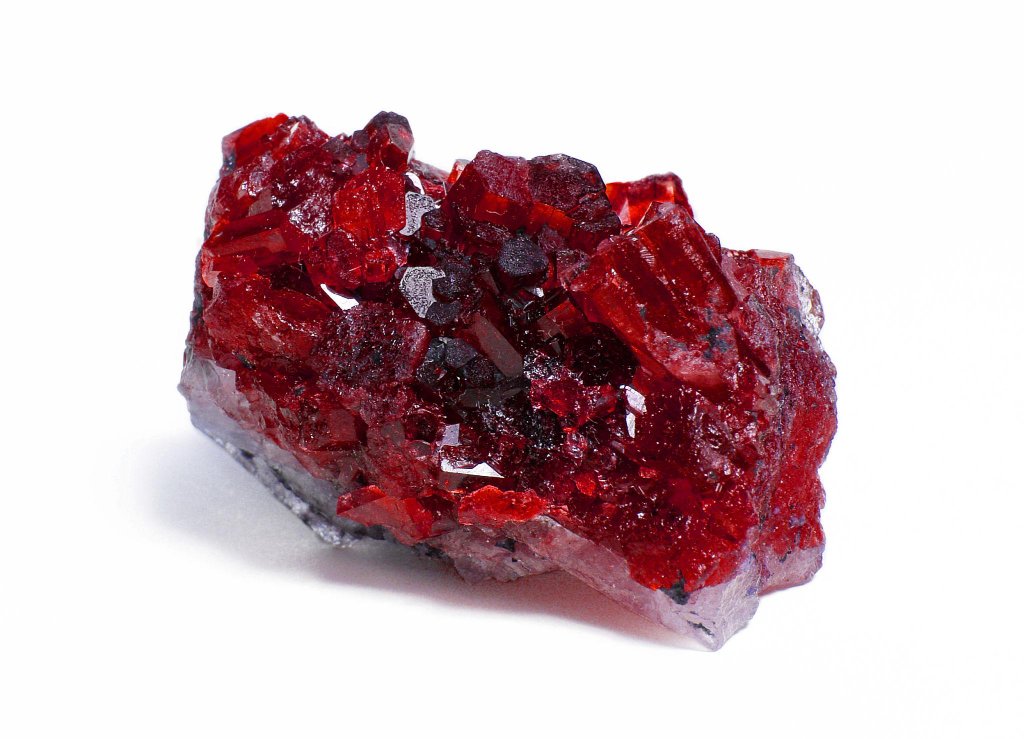
Burmese rubies — particularly those from the Mogok Valley — have represented the gold standard in colored gemstones for centuries. The combination of exceptional color saturation, geological uniqueness, and constrained supply has created a sustained premium that persists even as rubies from other origins have improved in quality and laboratory documentation.
This analysis examines the specific factors that drive the Burmese origin premium, how treatment status interacts with collector value, what documentation is required to substantiate origin claims, and where the risks lie for buyers, estates, and advisors.
The Role of Color and Clarity
Within the Burmese ruby category, value distribution is highly non-linear. Stones achieving the "pigeon's blood" color designation from major laboratories — GRS, Gübelin, or SSEF — command premiums of 50–300% over comparable stones without the designation.
Clarity in rubies is evaluated differently than in diamonds. Rutile silk inclusions (fine needle-like inclusions) are common in Burmese rubies and may actually indicate untreated status — making certain types of inclusions a positive indicator rather than a detriment. Significant fractures, clouds, or surface-reaching inclusions will reduce value.
Size plays an important role. Fine Burmese rubies above 3 carats are genuinely rare; those above 5 carats in documented pigeon's blood quality are exceedingly rare and have achieved auction prices exceeding $1 million per carat for exceptional specimens.
Treatment Status and Heat Enhancement
The majority of commercial rubies — including those from Burma — have been heat-treated to improve color and clarity. Heat treatment is widely accepted in the industry when disclosed, but the premium commanded by unheated stones is substantial.
An unheated Burmese ruby in pigeon's blood color with supporting laboratory documentation can trade at 3–5 times the price of a comparable heated stone. For significant stones, this distinction is one of the most important value determinants after origin itself.
Detecting heat treatment requires laboratory examination. The standard documentation for significant rubies includes both an origin determination and a treatment assessment from GRS, Gübelin, Lotus, or GIA.
Documentation Requirements
For any ruby being offered or valued at more than $5,000 per carat, laboratory documentation is effectively mandatory for market credibility. Without it, buyers will either discount heavily for uncertainty or decline to transact.
The gold standard for Burmese ruby documentation includes:
- Origin report from GRS, Gübelin, or SSEF
- Heat treatment status assessment
- Color grade with "pigeon's blood" designation if applicable
- For stones above 5 carats, multiple laboratory reports from different institutions
For estates, any ruby without current laboratory documentation should be considered undocumented for purposes of valuation — a significant risk discount applies until documentation is obtained.
Risks and Misunderstandings
Assuming origin without documentation. Trade descriptions, family history, and even prior appraisals are not substitutes for laboratory origin reports. Geographic origin determination is a highly technical process requiring spectroscopic and inclusion analysis.
Conflating Burmese origin with pigeon's blood color. These are separate determinations. A ruby can be Burmese origin without achieving pigeon's blood color — and a pigeon's blood color determination does not guarantee Burmese origin.
Undervaluing untreated stones. Many estate inventories do not capture the treatment distinction. An estate ruby priced as a "treated Burmese" when it is actually untreated may be undervalued by a factor of 3–5.
Overreliance on older reports. Laboratory determination standards have evolved significantly since 2005. Reports more than 10 years old should be reviewed against current standards.
GSBH Advisory Perspective
Burmese rubies represent one of the most compelling long-term value propositions in the colored gemstone market — but only when properly documented and correctly represented. The Burmese premium is real, but it is not self-executing: it must be substantiated through current laboratory documentation.
For clients holding rubies without current documentation, we recommend a review to determine whether the investment in laboratory reports is warranted by the potential value uplift — which, in many cases involving significant untreated stones, can be substantial.
Recommended Next Steps
1. Audit existing ruby holdings for current laboratory documentation.
2. Obtain origin and treatment reports from GRS, Gübelin, or SSEF for significant stones.
3. Update estate inventories to reflect documented origin and treatment status.
4. Seek independent appraisal before any sale, insurance update, or estate distribution involving rubies above $10,000 in value.
Contact GSBH to arrange a collection review or individual stone assessment.
Next Steps
Ready to Discuss Your Situation?
Our team of GIA-trained specialists is available for private consultations on appraisal, authentication, estate review, and advisory matters.