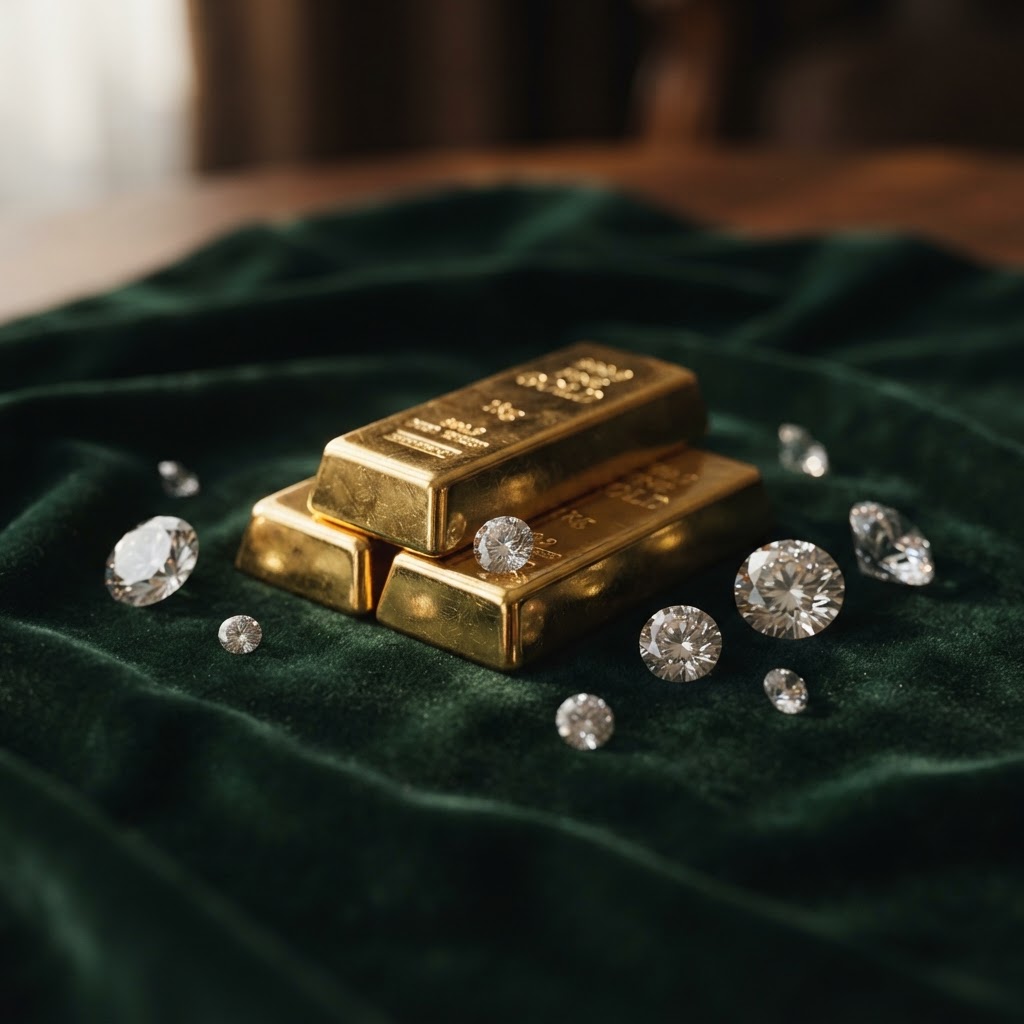
Gold Market Correction and the Shift Toward High-Value Assets
Falling gold prices and shifting consumer habits reflect a strategic move by collectors toward high-value, provenance-rich acquisitions.
GSBH Research Desk·November 22, 2026·2 min read
What happened
According to market intelligence from Benchpeg, gold prices have experienced a significant retreat, dropping approximately 7% within a single week to hit their lowest level in over twelve months. As of 18 November 2026, gold is trading roughly 33% below its January record peak. The primary catalyst for this downturn is the anticipated tightening of monetary policy; markets assign a 96% probability to a US Federal Reserve interest rate hike in early December. This environment has bolstered the US dollar and diminished the appeal of non-yielding assets like precious metals. Additional pressure stems from geopolitical tensions affecting energy costs and persistent inflation. Furthermore, assay office data indicates a marked contraction in overall UK hallmarking volumes, despite a curious 17% growth in demand for 22ct gold, suggesting that consumers are opting for fewer, higher-value purchases rather than lower-carat volume. Meanwhile, the luxury sector shows resilience, with Richemont reporting strong jewellery growth and Sotheby’s achieving spectacular results for sapphire lots with significant historical provenance.
Why it matters for collectors
For our private clients and estate partners, this correction represents a bifurcated market. The volatility in gold prices offers a potential entry point for those looking to acquire casting grain or physical stock, yet it necessitates disciplined procurement. We advise clients to implement short validity periods on new quotes to mitigate price fluctuations. From an insurance and appraisal perspective, the shift in consumer preference toward "iconic" and high-carat pieces—rather than mass-market volume—reinforces the importance of focusing on quality, rarity, and provenance. The significant performance of sapphires at auction demonstrates that collectors remain willing to pay substantial premiums for exceptional items with documented royal or aristocratic history, even as demand for lower-value natural diamonds softens under competition from lab-grown alternatives. Estate planners should note that with holiday spending delayed until the end of the year, we expect an intense period of Q4 acquisition. We recommend immediate portfolio reviews to ensure that current valuations reflect both these recent price shifts and the enduring demand for high-caliber, investment-grade jewellery.