Overview
In an age of rapid transactions and global trade, authenticity has become the cornerstone of trust — and trust remains the foundation of every successful business. This principle holds especially true in the world of fine jewelry and luxury assets, where provenance and expertise define both value and reputation.
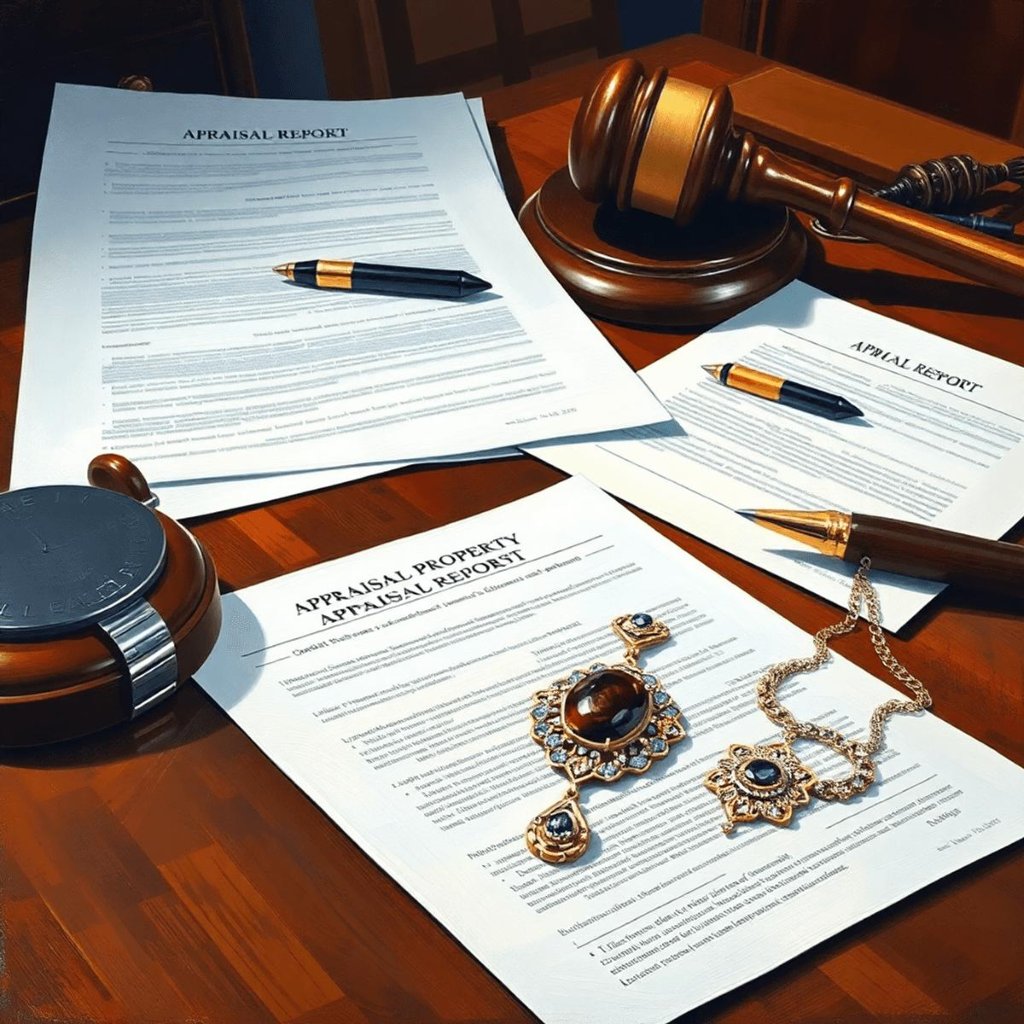
A recent major jewelry heist at the Louvre Museum in Paris offers a valuable lesson about the difference between intrinsic value and provenance value. The stolen pieces, estimated at $102 million, contained materials worth only five to ten million dollars. The remaining ninety million in value lies entirely in what cannot be held, weighed, or measured: their history, their creators, their stories, and their cultural significance.
Intrinsic Value vs. Provenance Value
Intrinsic value represents the worth of an object based solely on its tangible components — the weight of the gold, the quality of the gemstones, the measurable materials. This is the portion that can be calculated, weighed, and evaluated through standard gemological testing.
Provenance value, by contrast, encompasses everything intangible: the history of the piece, who created it, who owned it, the cultural moments it witnessed, and the documented legacy attached to it. Provenance is the story; intrinsic value is merely the material.
Two items may appear identical in appearance. Both may contain the same gemstones and the same weight of precious metals. Yet one may carry an irreplaceable legacy — a documented past that adds layers of cultural, historical, and emotional worth. Authenticity is what separates the ordinary from the extraordinary.
The Louvre Heist: A Case Study
Recently, a major jewelry heist at the Louvre Museum in Paris made headlines worldwide — a loss estimated at $102 million. While the news focused on the staggering number, it offers a profound lesson about value.
The intrinsic value of the stolen jewels — their worth based solely on the weight of gold, the quality of gemstones, and the materials used — likely amounts to five to ten million dollars. That figure represents the tangible portion: what can be held, weighed, and measured.
But the true value — the remaining ninety million or so — lies in something intangible. It lies in their provenance: their historical significance, their creators, the moments they represent, and the cultural legacy they carry. These are the elements that transform precious materials into priceless works of art.
This event illustrates a profound truth: two objects may appear identical, yet one carries a legacy that cannot be replaced or replicated. Authenticity, context, and provenance elevate value beyond the material. They give an object — and a business — its soul.
Why Expertise Matters
When dealing with fine jewelry, art, or any collectible, it is essential to work with an appraiser who understands the distinction between intrinsic and provenance value. An accurate valuation requires not just technical expertise, but historical awareness, cultural literacy, and a trained intuition refined over decades.
A qualified and up-to-date gemologist can:
- Distinguish between an authentic piece and a modified or recreated one
- Evaluate not only the gems and metals, but the story behind them
- Identify historical markers that confirm or contradict origin claims
- Understand the market forces that drive provenance premiums
- Assess the longevity and authenticity of documented provenance
Online assessments and photographs can never replace the trained eye and tactile understanding that come from decades of real-world experience. An expert appraiser reads jewelry like a language — understanding what the materials, tools, and wear patterns reveal about authenticity and history.
The Soul of Authenticity
In business as in jewelry, authenticity is not just a technical standard — it is a philosophy. It defines how we evaluate, how we trade, and how we honor the legacies behind every creation.
When an appraiser understands provenance, they understand value. When a collector understands provenance, they understand what they are truly purchasing: not just an object, but a story, a connection to history, and a tangible link to authenticity.
Trust is built on expertise, and expertise transforms information into truth. In the end, provenance is not just history — it is identity. Authenticity is not just proof — it is integrity. And the true value of any object lies not in what can be stolen, but in what cannot be replaced: its authenticity, its story, and the knowledge required to understand it.
This is why seeking out an experienced appraiser — one who understands gemstones, craftsmanship, historical context, and market dynamics — is not an expense. It is an investment in truth.
Next Steps
Ready to Discuss Your Situation?
Our team of GIA-trained specialists is available for private consultations on appraisal, authentication, estate review, and advisory matters.