Overview
Kashmir sapphires occupy an almost mythological position in the colored gemstone market. The deposits at Sumjam in the Zanskar Range of Kashmir — discovered in 1881 and largely exhausted by 1890 — produced stones with a distinctive velvety blue color and silky internal quality that has never been fully replicated by any other locality.
The scarcity of Kashmir sapphires is genuine and irreversible. New Kashmir material has not reached the market in meaningful quantities in over a century. Every Kashmir sapphire in circulation today traces to historical mining activity, creating a finite and aging supply.
Why Kashmir Matters
The Kashmir premium is driven by a combination of genuine scarcity, historical prestige, and the distinctive color quality that continues to influence collector and auction behavior. Fine Kashmir sapphires in the 3–10 carat range with supporting documentation regularly achieve $50,000–$200,000+ per carat at major auction houses.
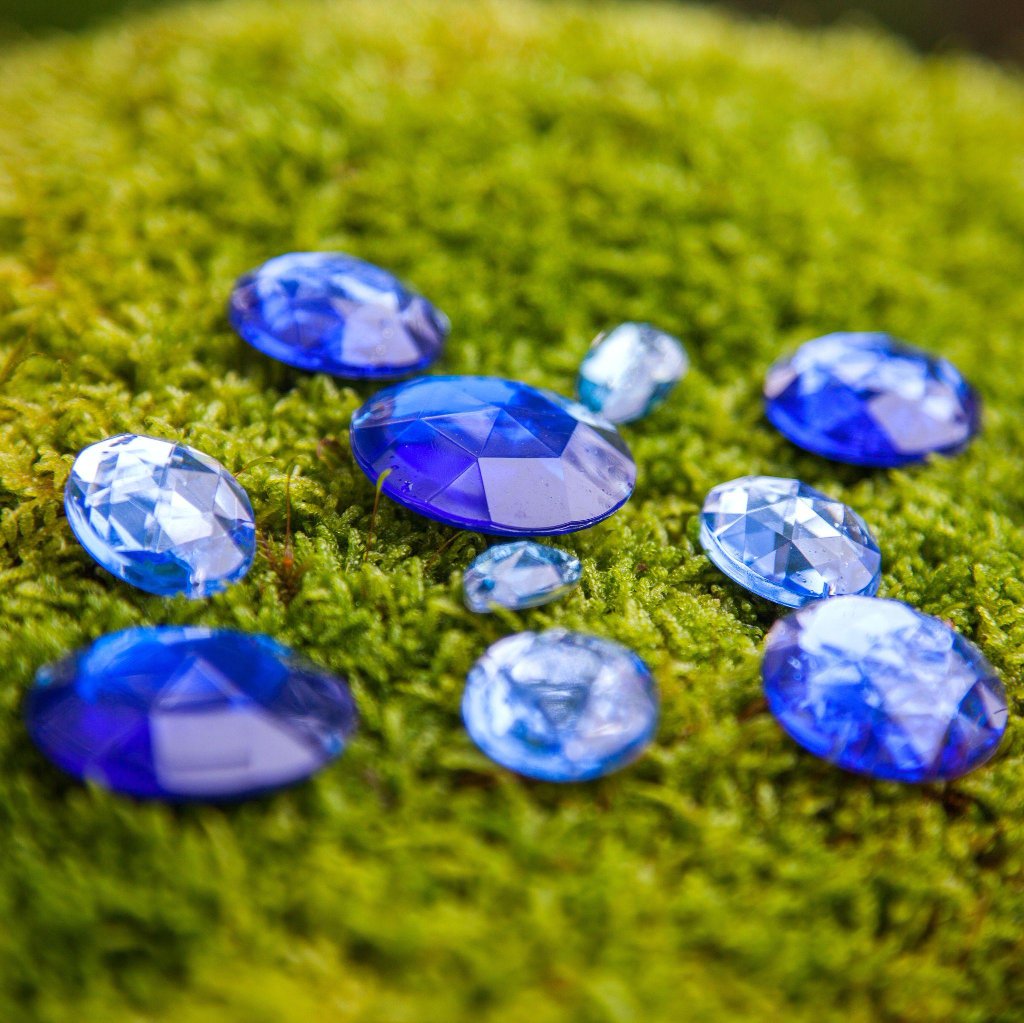
The distinctive "cornflower blue" color — actually more of a velvety royal blue with a slightly violetish undertone and the characteristic silky haze from rutile inclusions — creates a visual impression that experienced collectors can often recognize. However, laboratory confirmation remains essential; origin cannot be reliably determined by visual examination alone.
Key Market Considerations
Several factors drive Kashmir sapphire pricing at auction and in private sales:
Documentation quality. Current reports from GRS, Gübelin, or SSEF with explicit Kashmir origin designation and treatment status (ideally "no indications of heating") are prerequisites for achieving premium prices.
Color saturation and uniformity. The classic "Kashmir blue" color should be saturated without being too dark. Stones trending toward inky or overly violet are discounted.
Size. Fine Kashmir sapphires above 5 carats are rare; those above 10 carats in top quality are extraordinarily rare.
Auction history. Kashmir sapphires with documented auction provenance — particularly from Christie's, Sotheby's, or Bonhams — benefit from additional credibility and price discovery.
Documentation Requirements
Kashmir origin determination requires spectroscopic analysis and inclusion examination. The key laboratory criteria include the presence of characteristic rutile silk, the specific UV fluorescence pattern, and the absence of treatment indicators associated with other origins.
For significant Kashmir sapphires, documentation should include:
- Origin report with explicit "Kashmir" designation from GRS, Gübelin, or SSEF
- Treatment assessment — unheated Kashmir sapphires command the highest premiums
- Color grade documentation
- For auction contexts, multiple laboratory confirmations are increasingly expected
Estates holding sapphires described as "Kashmir" in older paperwork should confirm current laboratory status before relying on this designation for valuation or sale.
Risks and Misunderstandings
Historical documentation does not equal current certification. Family records, old receipts, or prior appraisals stating "Kashmir origin" are not acceptable substitutes for current laboratory reports.
Sri Lankan and other blue sapphires are sometimes misrepresented. The quality of some Ceylon sapphires approaches Kashmir visually; laboratory testing is required to distinguish them.
Assuming all Kashmir sapphires are valuable. Origin is necessary but not sufficient. A Kashmir sapphire in poor color, heavily included, or with significant treatment will not command the Kashmir premium.
Underinsurance. Kashmir sapphires valued a decade ago on insurance schedules are likely significantly underinsured at current market values.
GSBH Advisory Perspective
Kashmir sapphires represent one of the most defensible long-term value positions in the colored gemstone category — but the premium is entirely contingent on documentation. Without current laboratory confirmation, a stone described as Kashmir is simply an undocumented blue sapphire from an unconfirmed origin.
For clients holding stones described as Kashmir without current laboratory reports, we recommend immediate review. The cost of current documentation is modest relative to the value differential it may unlock.
Recommended Next Steps
1. Confirm laboratory documentation for all sapphires described as Kashmir in existing records.
2. Update insurance schedules to reflect current market values.
3. Obtain current origin and treatment reports from GRS, Gübelin, or SSEF.
4. Consider auction evaluation for significant Kashmir sapphires — the competitive auction market for top Kashmir specimens remains active.
Contact GSBH for a private evaluation or collection review.
Next Steps
Ready to Discuss Your Situation?
Our team of GIA-trained specialists is available for private consultations on appraisal, authentication, estate review, and advisory matters.