Overview
Gemstone treatments — processes applied after mining to improve color, clarity, or durability — are pervasive in the commercial gemstone market. The vast majority of commercially available rubies, sapphires, and emeralds have been treated. Many diamonds have also undergone enhancement.
Treatments are not inherently problematic. Most are accepted industry practice when properly disclosed. The issue arises when treatments are not disclosed — either because the seller is unaware, or because disclosure would reduce the sale price. This guide outlines the most common treatments, their impact on value and durability, and the disclosure obligations that apply to sellers and advisors.
Why Treatment Disclosure Matters
Disclosure matters for several interconnected reasons:
Value. Untreated stones command significant premiums over treated stones of comparable appearance. The premium for unheated rubies and sapphires can reach 300–500% over treated equivalents.
Durability. Some treatments affect the stability of stones over time. Fracture-filled emeralds may require special care to avoid damaging the fill. Surface-diffusion-treated sapphires can be damaged by recutting or polishing.
Insurance. Insurers need accurate treatment status to properly value and cover a piece. A fracture-filled ruby should not be insured at the same replacement value as an untreated stone of comparable appearance.
Legal and fiduciary. In estate and sale contexts, failure to disclose known treatments may constitute misrepresentation.
Common Treatments by Stone Type
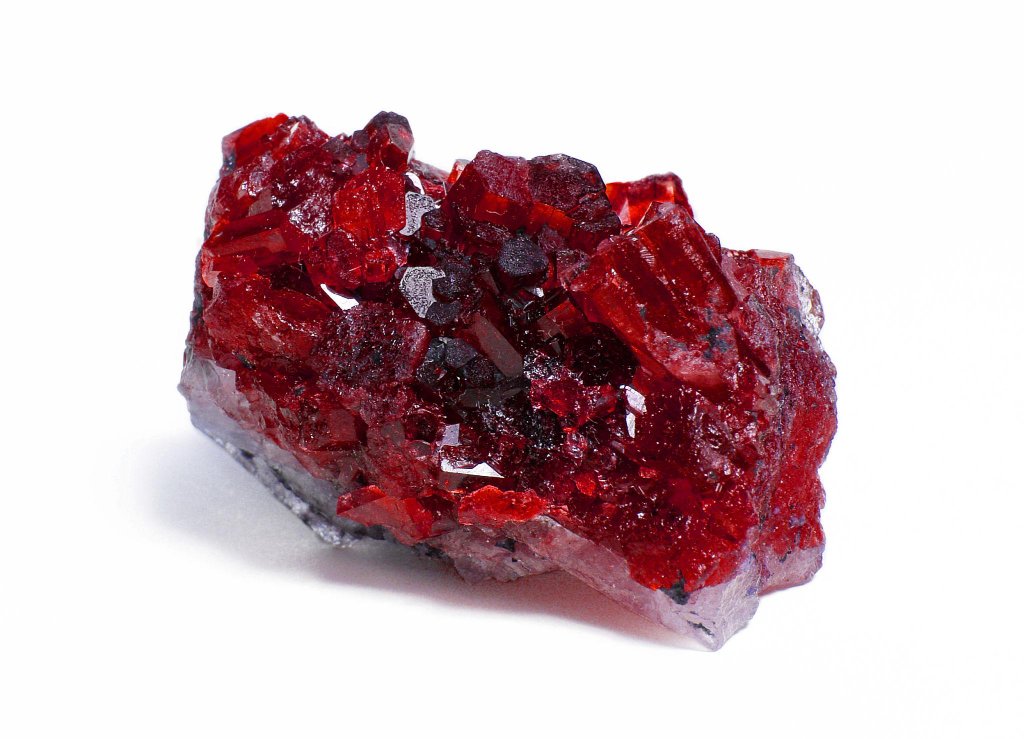
Rubies and Sapphires — Heat Treatment. The most widespread treatment. Heat treatment improves color and clarity in corundum. Standard heat treatment is accepted industry practice when disclosed. More aggressive treatments — including beryllium diffusion, fracture filling with lead glass, or surface diffusion — require explicit disclosure and materially affect value.
Rubies — Lead Glass Filling. A significant treatment that fills fractures with lead-rich glass, dramatically improving apparent clarity. Lead-glass-filled rubies are widely sold but are fragile, susceptible to damage from cleaning chemicals, and should not be represented as comparable to untreated or standard-heat rubies.
Emeralds — Oil and Resin Filling. Almost all commercial emeralds contain natural fractures, and most have been treated with oil or resin to improve clarity. GIA and other laboratories grade emerald clarity enhancement on a scale from "none" to "very significant." Heavily oiled emeralds require periodic re-treatment and careful maintenance.
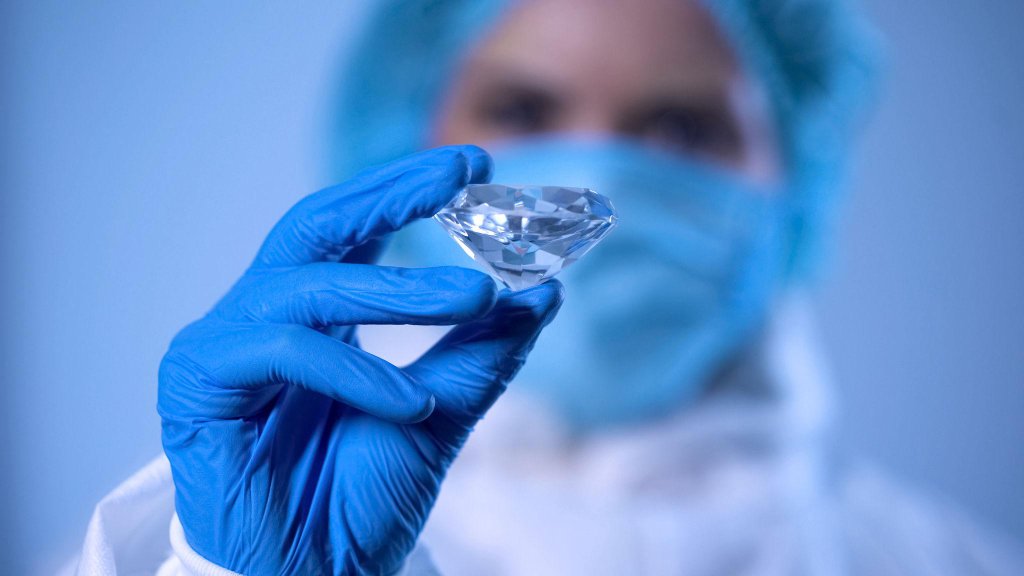
Diamonds — Fracture Filling and Laser Drilling. Fracture filling improves apparent clarity by filling surface-reaching fractures with glass-like substances. Laser drilling creates microscopic channels to reach dark inclusions and dissolve or bleach them. Both treatments should be disclosed and affect value relative to untreated stones.
Diamonds — HPHT Color Treatment. High-pressure, high-temperature treatment can improve the color of certain diamonds. Laboratory testing is required to detect this treatment; it cannot be determined by visual inspection.
Documentation Requirements
Standard laboratory reports from GIA, GRS, Gübelin, SSEF, or equivalent institutions include treatment assessment for significant stones. For rubies and sapphires, the report should specify:
- Whether heat treatment has been applied
- Whether any other treatments (beryllium diffusion, fracture filling) are present
- The degree of any treatment
For emeralds, the report should specify the nature and extent of clarity enhancement.
For significant diamonds, the report should confirm the absence of fracture filling, laser drilling, or color treatment.
Risks and Misunderstandings
"Natural" does not mean "untreated." A natural ruby or sapphire is one formed in the earth — but it may still have been heat treated. Natural status and treatment status are separate determinations.
Ultrasonic and steam cleaning can damage treated stones. Fracture-filled rubies and oiled emeralds should not be cleaned ultrasonically. Clients should always inform jewelers of any known treatments before cleaning.
Re-oiling emeralds. Heavily oiled emeralds will eventually require re-treatment as the oil dries or migrates. This is a maintenance consideration that affects long-term care costs.
Older reports may predate current treatment detection standards. Beryllium diffusion in sapphires was not reliably detected until 2001. Reports predating current standards should be re-examined for significant stones.
GSBH Advisory Perspective
GSBH identifies and discloses all known or suspected treatments in every appraisal document we produce. We do not consider treatment status in isolation — a treated stone at the correct price, with proper documentation, is an entirely legitimate acquisition. The problem arises only when treatment status is unknown or undisclosed.
For clients with existing collections, we recommend a systematic review to identify any stones that lack current treatment documentation — particularly rubies, sapphires, and emeralds purchased in the past decade.
Recommended Next Steps
1. Review existing documentation for treatment status disclosure.
2. Obtain laboratory reports for significant colored stones without current treatment assessments.
3. Update insurance documentation to reflect treatment status accurately.
4. Disclose treatments in any sale or estate context.
Contact GSBH to schedule a collection review or individual stone assessment for treatment identification.
Next Steps
Ready to Discuss Your Situation?
Our team of GIA-trained specialists is available for private consultations on appraisal, authentication, estate review, and advisory matters.